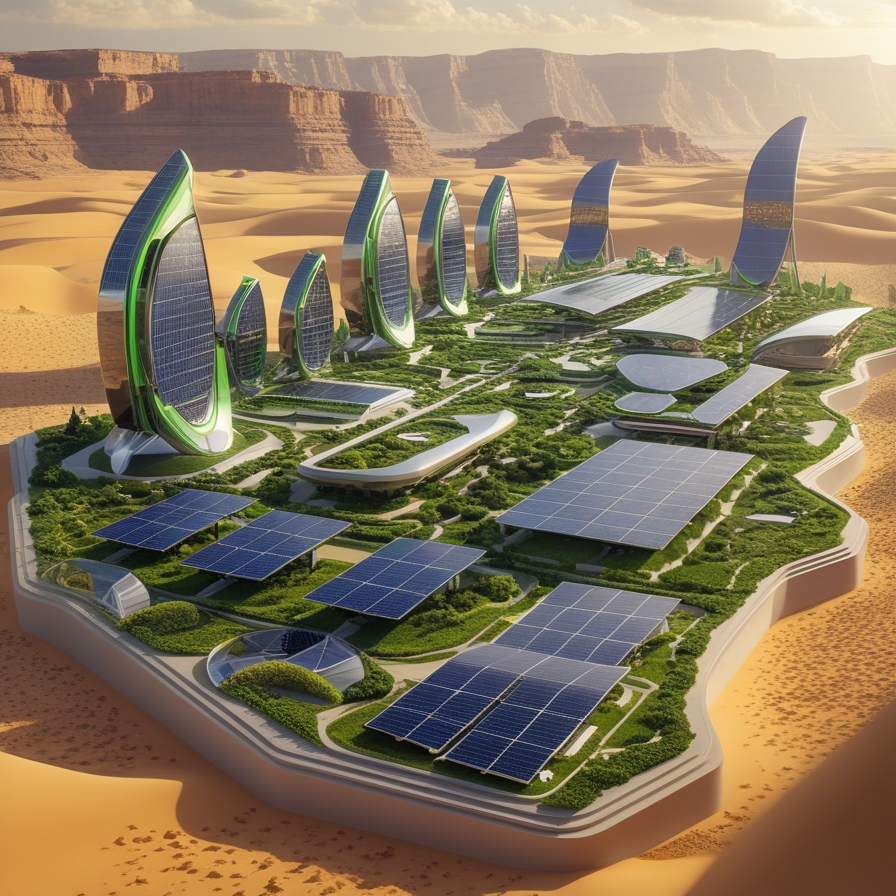
Solar Energy Products: Powering the Future of Sustainable Living
As the world grapples with the challenges of climate change and depleting fossil fuel resources, the demand for clean and renewable energy sources has never been greater. Solar energy, harnessed from the sun’s rays, stands at the forefront of this green revolution, offering an abundant and sustainable solution to meet our growing energy needs. The rise of solar energy products has not only transformed how we power our homes and businesses but has also empowered individuals to take control of their energy consumption, reduce their carbon footprint, and contribute to a cleaner planet.
The Growth of Solar Energy
Solar energy is the fastest-growing source of renewable energy globally. The technology behind solar energy products has evolved significantly, making it more accessible, efficient, and cost-effective. From residential rooftops to large-scale solar farms, solar products are now a common sight in both urban and rural landscapes. The key drivers behind this growth include government incentives, falling prices of solar panels, advancements in solar technology, and increased awareness of the environmental benefits of renewable energy.
Types of Solar Energy Products
Solar energy products can be broadly categorized into photovoltaic (PV) systems, solar thermal systems, and solar lighting systems. Photovoltaic systems are the most widely used and include solar panels, inverters, and batteries. These systems convert sunlight directly into electricity, providing a reliable and sustainable source of power for homes, businesses, and even vehicles.
Solar thermal systems, on the other hand, use the sun’s energy to heat water or air for residential and commercial use. These systems are commonly used in solar water heaters and solar space heating. Solar lighting systems, which include solar-powered streetlights, garden lights, and indoor lighting solutions, offer an energy-efficient and environmentally friendly alternative to traditional lighting methods.
Photovoltaic Systems: The Heart of Solar Energy
Photovoltaic systems are the most popular type of solar energy product, and for good reason. They are versatile, scalable, and can be installed almost anywhere with access to sunlight. The core component of a PV system is the solar panel, which is made up of photovoltaic cells. These cells are typically made from silicon and are responsible for converting sunlight into direct current (DC) electricity.
In addition to solar panels, PV systems also include inverters and, in some cases, batteries. The inverter is a critical component that converts the DC electricity generated by the solar panels into alternating current (AC) electricity, which can be used by most household appliances and fed back into the grid. Batteries are used to store excess electricity generated during the day, allowing for energy use during the night or during periods of low sunlight.
Advancements in Solar Panel Technology
One of the most significant advancements in solar energy products is the improvement in solar panel efficiency. Modern solar panels are capable of converting more sunlight into electricity than ever before. This increase in efficiency has been driven by advancements in materials science, such as the development of monocrystalline and polycrystalline silicon panels, as well as thin-film technologies.
Monocrystalline panels are known for their high efficiency and sleek appearance, making them a popular choice for residential installations. Polycrystalline panels, while slightly less efficient, are more affordable and are widely used in both residential and commercial settings. Thin-film solar panels, which are lightweight and flexible, offer unique advantages for certain applications, such as portable solar chargers and building-integrated photovoltaics (BIPV).
Solar Inverters: The Brain of the System
While solar panels are the most visible component of a PV system, the inverter is often considered the brain of the system. In addition to converting DC electricity to AC, modern inverters come with a range of smart features that enhance the performance and reliability of the system. For example, many inverters are now equipped with monitoring capabilities, allowing users to track their energy production and consumption in real-time.
Inverters also play a crucial role in optimizing the efficiency of a PV system. String inverters, which are the most common type, manage multiple panels connected in series. However, if one panel is shaded or malfunctioning, it can reduce the output of the entire string. To address this issue, microinverters and power optimizers have been developed. These devices are installed on each panel, allowing for individual panel optimization and maximizing the overall system efficiency.
Solar Batteries: Storing the Sun’s Energy
One of the challenges of solar energy is that it is an intermittent resource – the sun doesn’t shine 24/7. This is where solar batteries come in. Solar batteries store excess electricity generated during the day for use during the night or cloudy days. This not only provides energy independence but also enhances the resilience of the power supply.
The development of lithium-ion batteries has revolutionized energy storage for solar systems. These batteries are compact, efficient, and have a longer lifespan compared to traditional lead-acid batteries. The growing popularity of electric vehicles has also spurred advancements in battery technology, further driving down costs and improving performance.
Solar Thermal Systems: Harnessing Heat from the Sun
Solar thermal systems are another important category of solar energy products. Unlike PV systems, which generate electricity, solar thermal systems capture and use the sun’s heat. These systems are particularly effective in regions with high levels of direct sunlight and are commonly used for water heating, space heating, and even cooling.
Solar water heaters are the most common application of solar thermal technology. These systems consist of solar collectors, a storage tank, and a circulation system. The collectors, typically installed on the roof, absorb sunlight and transfer the heat to the water in the storage tank. This heated water can then be used for domestic purposes, reducing the need for conventional water heaters and lowering energy bills.
Solar Lighting: Brightening the Night
Solar lighting products have become increasingly popular as a sustainable and cost-effective lighting solution. These products use small solar panels to convert sunlight into electricity, which is then stored in a battery and used to power LED lights at night. Solar-powered streetlights, garden lights, and indoor lighting systems are widely used in both urban and rural areas, providing illumination without the need for grid electricity.
One of the key advantages of solar lighting is its ease of installation. Since these systems do not require any wiring or connection to the grid, they can be installed quickly and with minimal disruption. This makes them an ideal solution for remote or off-grid areas where access to electricity is limited.
The Environmental Impact of Solar Energy Products
The environmental benefits of solar energy products are well-documented. By harnessing the sun’s energy, these products significantly reduce greenhouse gas emissions and reliance on fossil fuels. The carbon footprint of manufacturing and installing solar panels is relatively low compared to the environmental impact of extracting and burning fossil fuels.
Furthermore, solar energy products have a long lifespan, typically ranging from 20 to 30 years, which contributes to their overall sustainability. At the end of their life, many components of solar products, such as the glass and metal in solar panels, can be recycled, further reducing their environmental impact.
Economic Benefits and Energy Independence
In addition to their environmental benefits, solar energy products offer significant economic advantages. The cost of solar panels and other components has dropped dramatically in recent years, making solar energy more affordable for consumers and businesses alike. Moreover, government incentives, such as tax credits and rebates, have made it even more attractive to invest in solar energy.
For homeowners, installing solar panels can lead to substantial savings on electricity bills. Depending on the size of the system and local electricity rates, a solar PV system can pay for itself in as little as five to seven years. After that, the electricity generated is essentially free, providing long-term financial benefits.
Solar energy products also contribute to energy independence. By generating their own electricity, individuals and businesses can reduce their reliance on the grid and protect themselves from rising energy costs. In regions prone to power outages, solar energy products, combined with battery storage, offer a reliable backup power source, enhancing energy security.
Challenges and the Future of Solar Energy Products
While the benefits of solar energy products are clear, there are still challenges to overcome. One of the main obstacles is the intermittent nature of solar energy, which depends on weather conditions and time of day. However, advancements in energy storage technology, such as the development of more efficient and affordable batteries, are helping to address this issue.
Another challenge is the upfront cost of solar energy products. Although prices have dropped significantly, the initial investment can still be a barrier for some consumers. However, financing options, such as solar leases and power purchase agreements (PPAs), are making it easier for people to go solar without a large upfront payment.
Looking ahead, the future of solar energy products is bright. Continued advancements in technology, combined with increasing awareness of the importance of sustainability, will drive further adoption of solar energy. Innovations such as building-integrated photovoltaics (BIPV), solar-powered vehicles, and next-generation solar cells promise to expand the applications of solar energy products and make them even more efficient and accessible.
Conclusion: Embracing Solar Energy for a Sustainable Future
Solar energy products are more than just a trend; they are a key component of the global shift towards sustainable energy. By investing in solar energy products, individuals and businesses can reduce their environmental impact, achieve energy independence, and enjoy long-term financial benefits. As technology continues to evolve and costs continue to fall, solar energy products will play an increasingly important role in powering our world and protecting our planet for future generations.